
An idea for AI-supported business processes
Make decisions
without the chasing.
Bring the facts, unanswered questions and options together,
so you can spend your time deciding.
Capturing the request and deadline
A team requests replacement equipment before a busy period. The manager needs the costs, alternatives and delivery dates before approving it. Similar questions arise when buying software or bringing in an external service.
The manager's question
The equipment keeps breaking down. Should we repair it, rent something or buy a replacement? We need to decide by Friday.
The request becomes a tracked review with an owner and decision date. The workflow requests the supporting information and follows up missing contributions.
Your teams keep using their existing purchasing, finance and document systems.
Bringing the evidence together
DataHub could connect the request, maintenance records, usage and supplier quotes. AI brings the repair history and upcoming demand into the brief, compares quoted costs and flags missing details, with the supporting records alongside each finding.
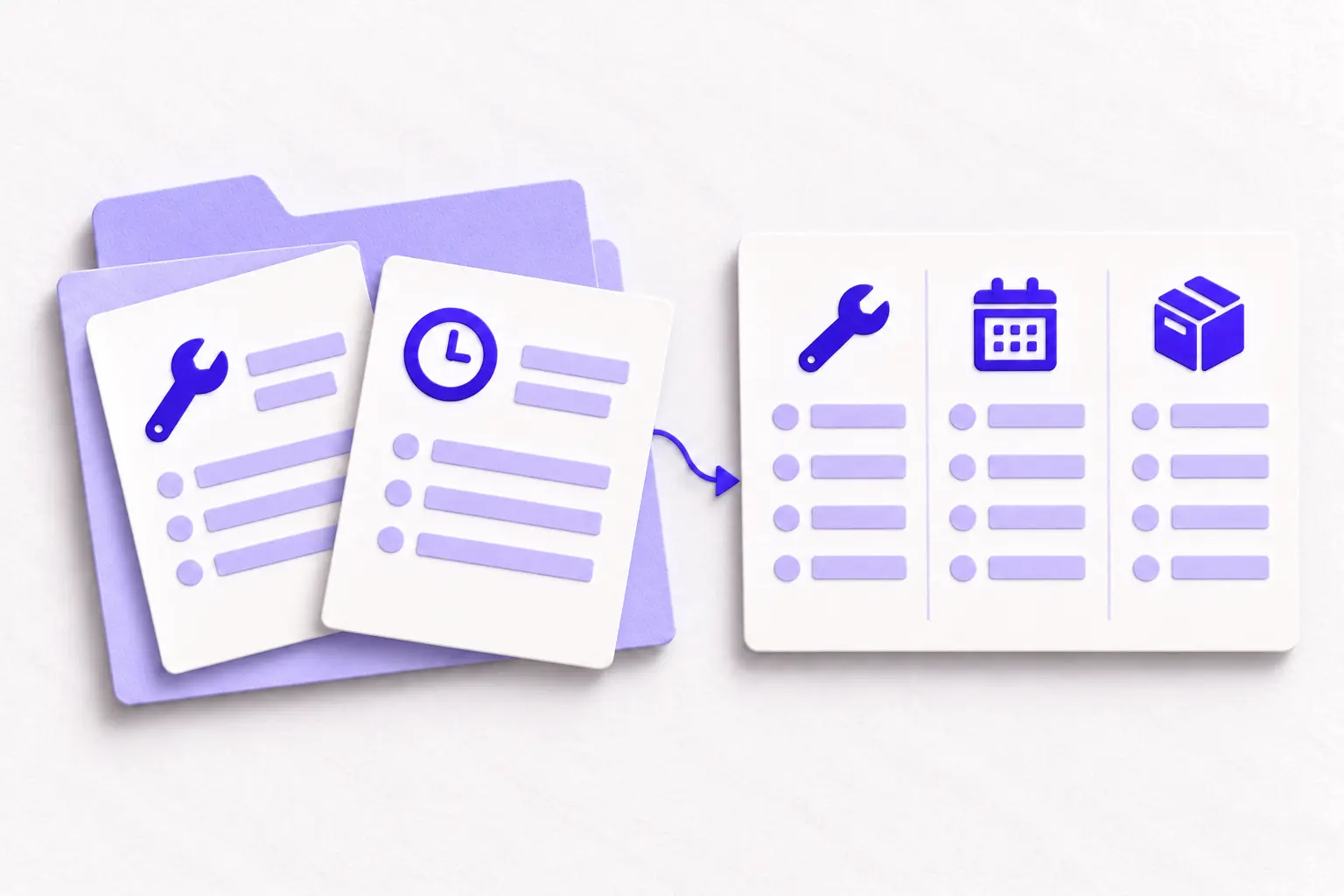
The repair history, timing and options in one place.
AI prepares the initial comparison
- Repeated repairs
- Two recent repairs are recorded against the same equipment.
- Sources: maintenance records and invoices
- Timing gap
- The replacement quote shows delivery after the busy period starts.
- Sources: supplier quote and work schedule
- Questions to resolve
- Could repair or rental cover the gap? Do the quotes include delivery, setup and collection?
Getting the missing answers
The workflow sends each question to the person who can answer it. Their responses update the same brief, so the manager can see what is confirmed and what still needs attention.
Operations checks what will work
Operations confirms suitable rental equipment is available before the busy period. The repair supplier cannot yet confirm a completion date.
Finance confirms the full costs
Finance checks the quotes and available budget, including rental duration, delivery, setup and collection. The confirmed totals go into the brief.
The decision brief now reflects what the business needs. Outstanding questions stay assigned to the right person, with reminders and overdue responses flagged before the decision deadline.
Preparing clear options for review
AI brings the confirmed costs, availability and outstanding questions into a comparison. The manager can see what each option would mean for the busy period, with links to the quotes and team responses.
Recording the decision and moving it forward
The manager approves rental for the busy period and sets a date to revisit replacement. The workflow records the approval, assigns the booking and setup tasks, and brings confirmations back into the same brief.
Decision and follow-through
- Agreed
- Rent suitable equipment for the busy period at the confirmed total cost.
- Confirmed
- Purchasing has confirmed the booking.
- Operations has arranged delivery and setup before the busy period.
- Finance has recorded the commitment.
- Replacement review scheduled before the rental ends.
The busy period is covered, with costs confirmed and delivery arranged. The manager reaches a decision without chasing each team for an update.