
An idea for AI-supported business processes
Turn more enquiries
into business.
Keep email and website enquiries from falling through the cracks,
with a prompt, useful response and follow-up.
Capturing email and website enquiries
Email enquiry
A request arrives in your enquiry inbox.
Website enquiry
A customer submits your enquiry form.
Enquiry captured
Can you deliver by the end of the month? And what would it cost?
Contact details, the original request and its source stay together in a shared enquiry record, with a status to track what happens next.
This could work with your existing email, website and CRM, linking enquiry tracking with the work needed to respond: gathering information, coordinating decisions and following up.
Understanding the request and finding the right person
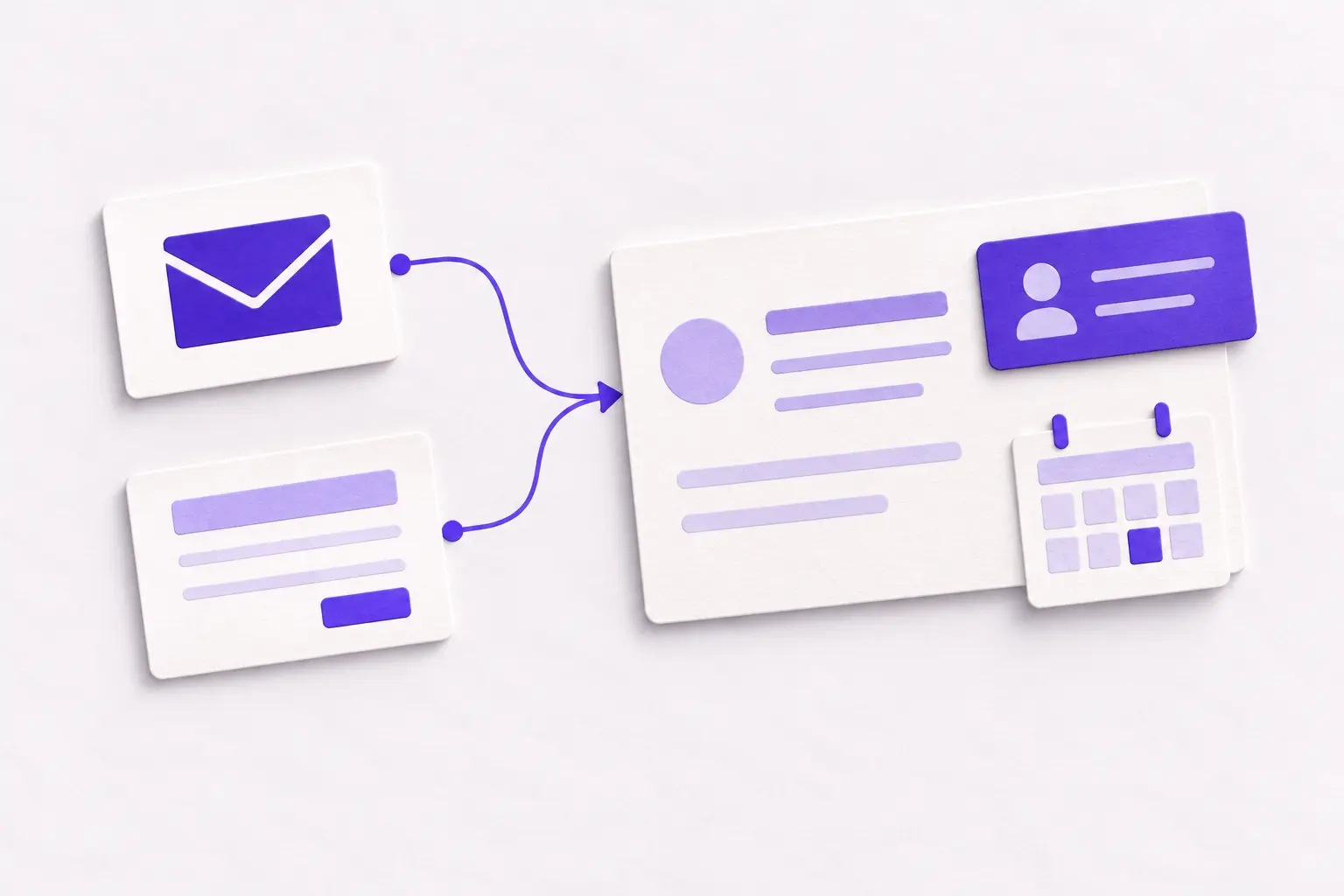
Assigned to an account manager. Response due date set.
Understanding the request
AI summarises what the customer needs and flags missing details.
Assigning responsibility
Agreed routing rules assign an owner and set a response due date.
Acknowledging receipt
An automatic acknowledgement lets the customer know their enquiry has arrived and what happens next.
Enquiry still unassigned?
The nominated lead is alerted. Unassigned enquiries and overdue responses are flagged for attention so someone can pick them up.
Gathering information and chasing missing answers
Connected systems bring in the available facts. Missing answers go to the people who can confirm them.
Sales
Requirements and customer history.
Missing requirements are referred to sales.Operations
Availability and delivery options.
Feasibility questions go to operations.Finance
Prices, costs and agreed terms.
Pricing queries and variations go to finance.Delivery options confirmed
Cost confirmation assigned to finance
Answer overdue?
Reminders and escalation keep it moving. Each outstanding question has an owner and due date. Agreed rules trigger reminders or escalation, and can prompt the account manager to update the customer.
The answer is recorded against the same enquiry so the response can move forward.
Preparing a useful response for review
Operations confirms
We cannot deliver everything by the requested date.
Operations confirms a workable alternative
The first stage can be delivered this month, with the rest to follow on agreed dates.
A response the customer can act on. AI drafts the confirmed dates, price and next step. The account manager reviews and sends it, with the supporting information close at hand.
Less time assembling the answer. More time making sure it meets the customer's needs.
Tracking replies and prompting follow-up
Sending a proposal automatically creates a follow-up action for its owner. The enquiry stays visible until an outcome is recorded.
No reply yet?
A reminder prompts the owner to follow up at the agreed time. Overdue actions remain visible.
A reply arrives
The reply is attached to the enquiry. The owner receives a notification and a prompt to confirm the next action.
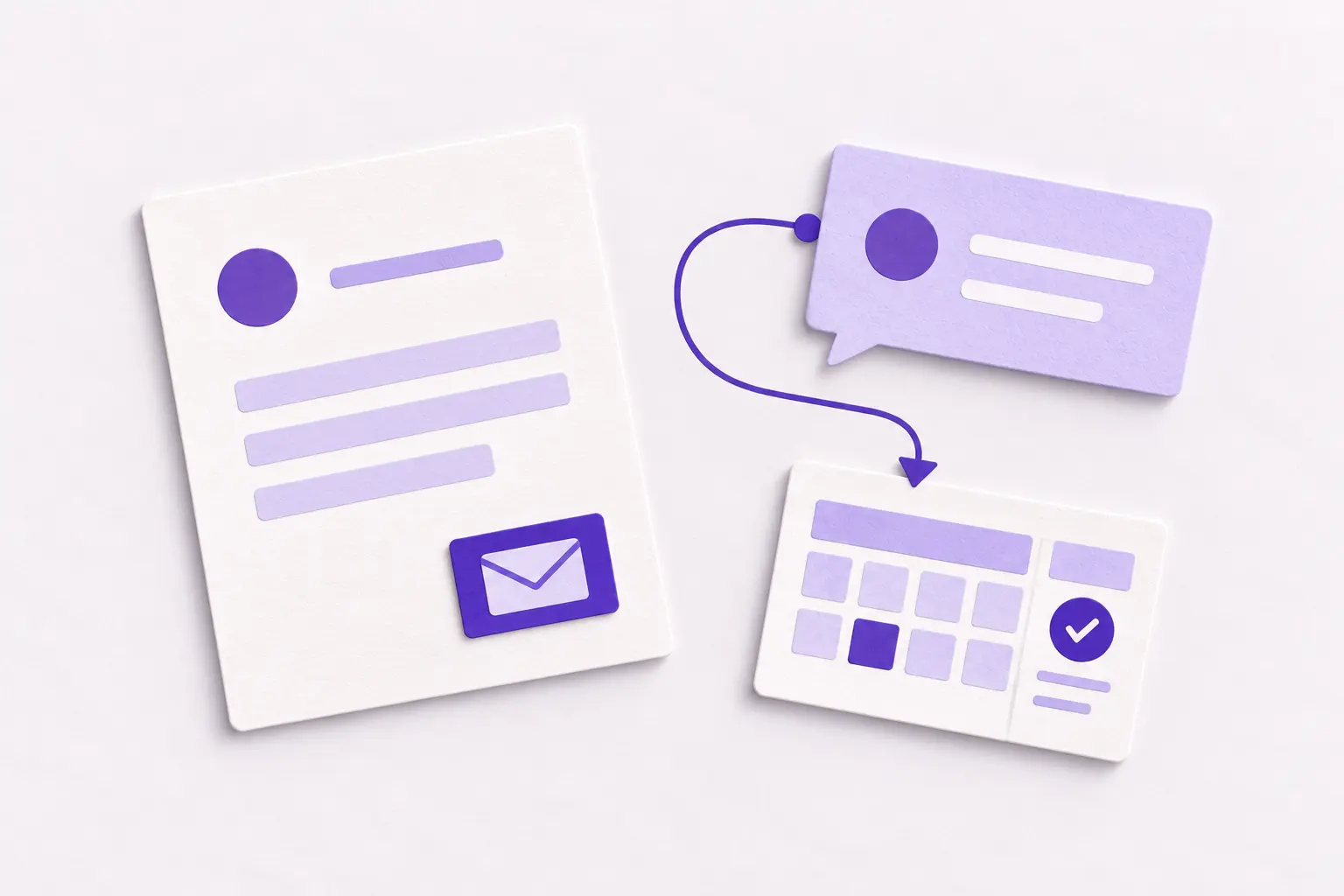
The customer replies
A staged delivery could work. Can we confirm the dates?
The owner confirms the next step. If the customer proceeds, the agreed work is handed over; if they decline or defer, that outcome is recorded too.
Fewer missed enquiries. Faster responses. More useful answers. Follow-ups that happen.